kpv
the fire extinguisher
overview
KPV: Mechanisms & Benefits
What is KPV?
KPV is a naturally occurring tripeptide consisting of three amino acids: Lysine (K), Proline (P), and Valine (V). It is a specific fragment taken from the C-terminal end of alpha-melanocyte-stimulating hormone (α-MSH).
While α-MSH is a larger hormone responsible for regulating immune responses, skin pigmentation, and inflammation, KPV isolates the exact active sequence needed to trigger powerful anti-inflammatory pathways without the excess "baggage" or side effects of the larger hormone molecule.
How KPV Works: The Mechanism of Action
Unlike conventional anti-inflammatory drugs (like NSAIDs) that merely mask symptoms or work on the surface of cells, KPV operates at the intracellular and genetic level.
Cellular Entry (The PEPT1 Transporter): KPV enters target cells through a specific gastrointestinal peptide transporter called PEPT1. This transporter is naturally upregulated in inflamed tissues, meaning KPV acts like a heat-seeking missile, preferentially targeting cells that are actively inflamed.
NF-κB Inhibition (The Master Inflammation Switch): Once inside the cell, KPV's primary target is the NF-κB pathway. NF-κB is a protein complex that controls the transcription of DNA and is essentially the "master switch" for inflammation.
The Nuclear Blockade: In an inflamed state, the p65 subunit of NF-κB tries to enter the cell's nucleus to command the production of inflammatory markers. KPV competitively binds to a transport protein (Importin-α3), physically blocking the p65 subunit from entering the nucleus.
The Result: Because the inflammatory command never reaches the DNA, the production of massive pro-inflammatory cytokines—specifically TNF-α, IL-6, and IL-1β—is halted at the source.
Primary Therapeutic Benefits
Because of its unique cellular mechanism, KPV offers a specialized range of clinical benefits:
Gastrointestinal Healing (IBD, IBS, Leaky Gut): Because KPV is highly stable in the digestive tract and utilizes the PEPT1 transporter, it is uniquely suited to treat inflammatory bowel diseases like Crohn's and Ulcerative Colitis. It restores the mucosal barrier and stops localized gut inflammation.
Potent Antimicrobial Properties: Remarkably, KPV acts against pathogens like Staphylococcus aureus (bacteria) and Candida albicans (fungus). Unlike traditional immunosuppressants (like steroids) that lower your ability to fight infections, KPV modulates inflammation while actually improving your body's innate antimicrobial defense.
Wound Healing and Skin Conditions: KPV interacts with melanocortin receptors in the skin, making it highly effective for accelerating wound closure and treating inflammatory skin conditions like psoriasis, eczema, and atopic dermatitis.
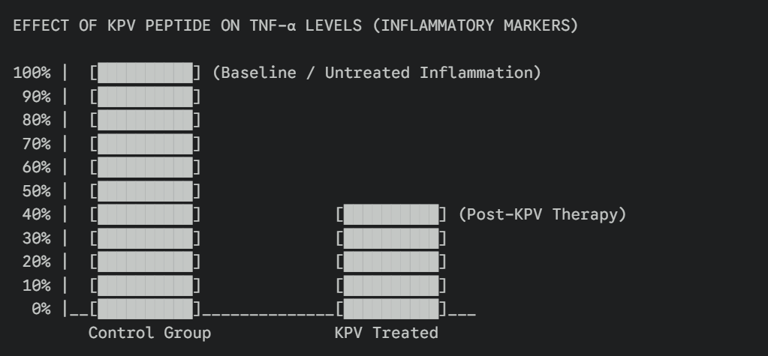
Reduction of Pro-Inflammatory Cytokines (TNF-α)
This bar chart illustrates the dramatic reduction (up to 60%) of TNF-α levels following KPV administration in inflamed tissue models.
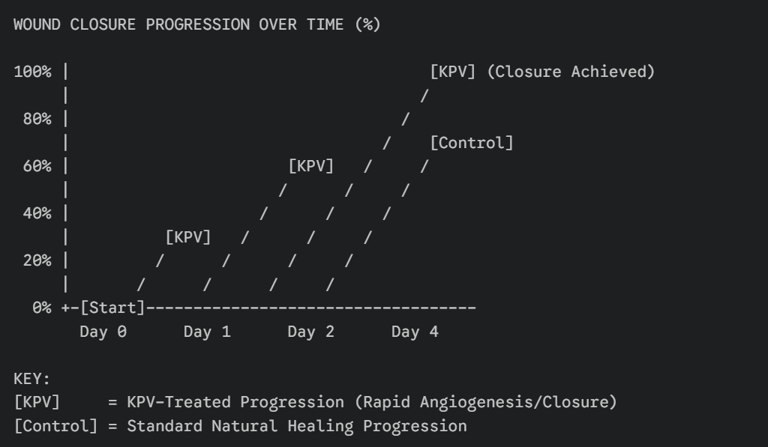
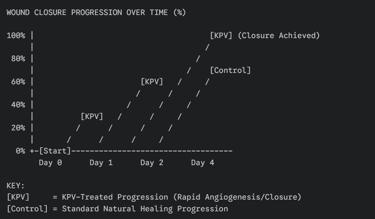
Accelerated Wound Healing Trajectory
This line graph demonstrates the accelerated rate of epithelial closure over a 4-day period when treating mucosal/tissue wounds with KPV compared to a control group. (Single dose)
Disclaimer: This information is for educational purposes only.